
Our Insights
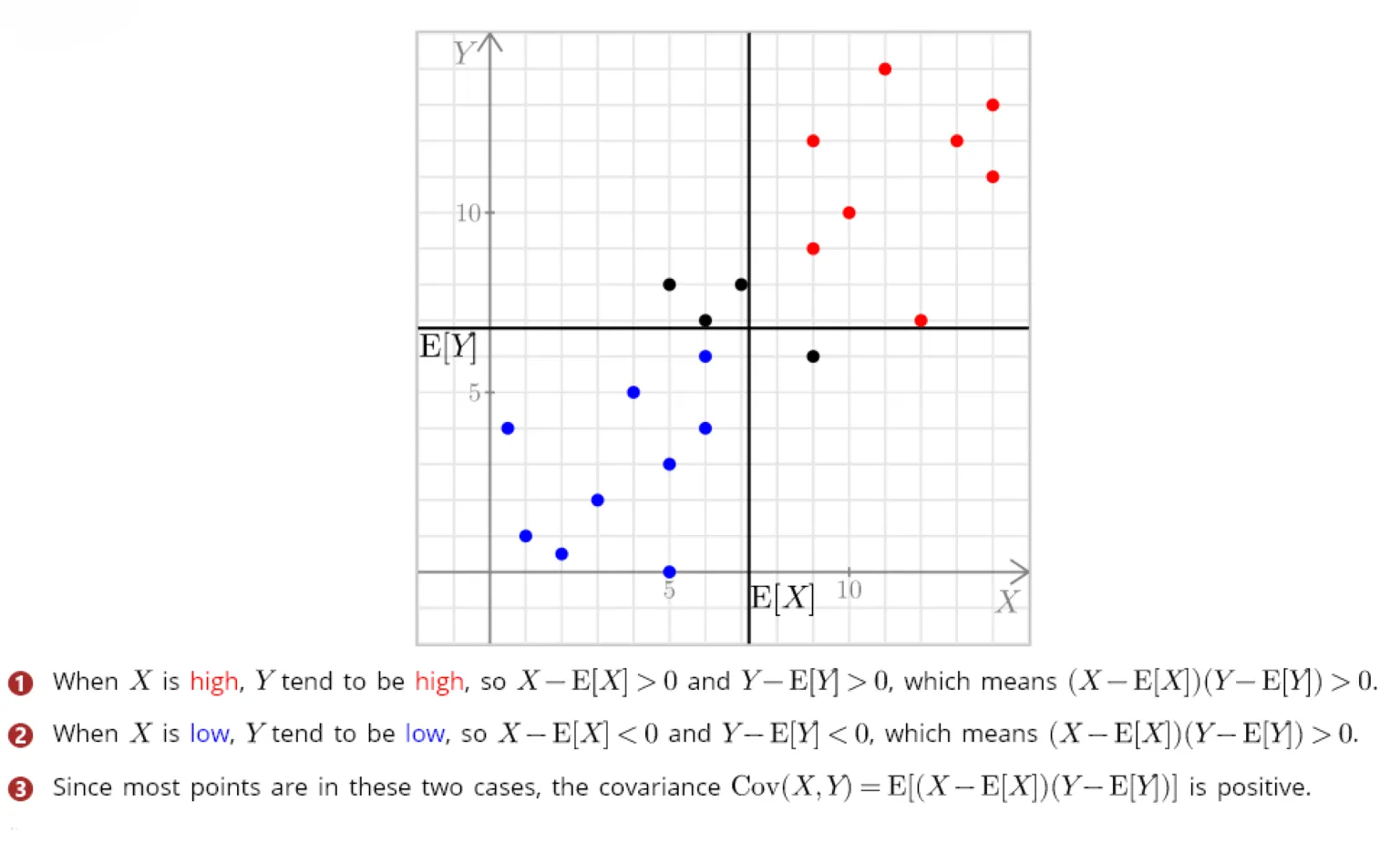
Get Ready to Work with Data
At Summatic we are using technology to make learning statistics and data analysis more interactive, engaging and applied. Our online platform offers comprehensive resources that get students from all educational backgrounds ready to work with data.
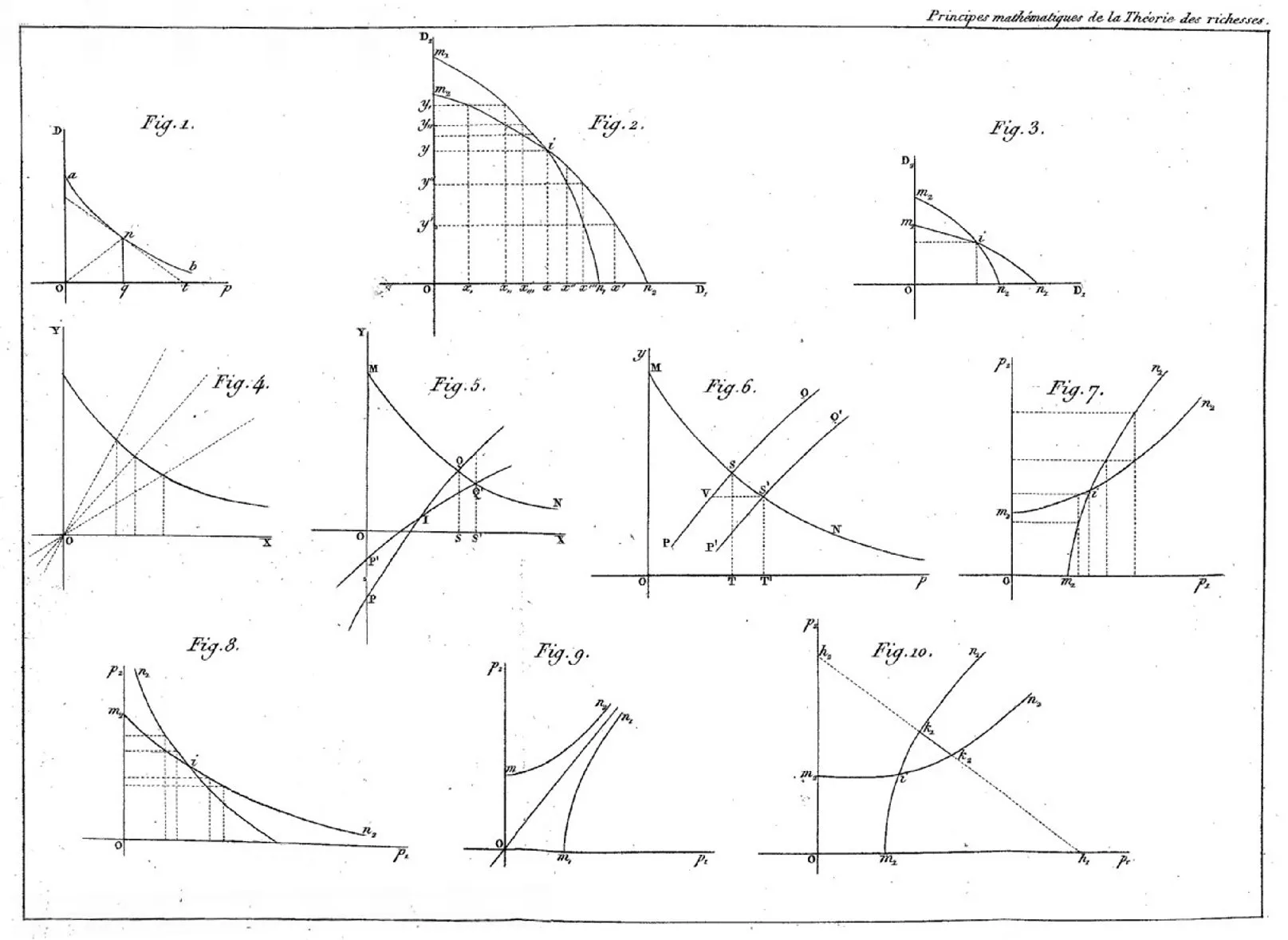
Interactive Graphing in Economics
Graphs have been central to Economics since 1838. Modern technology makes it possible for traditional static graphs to finally become interactive and easier to understand after almost 200 years.
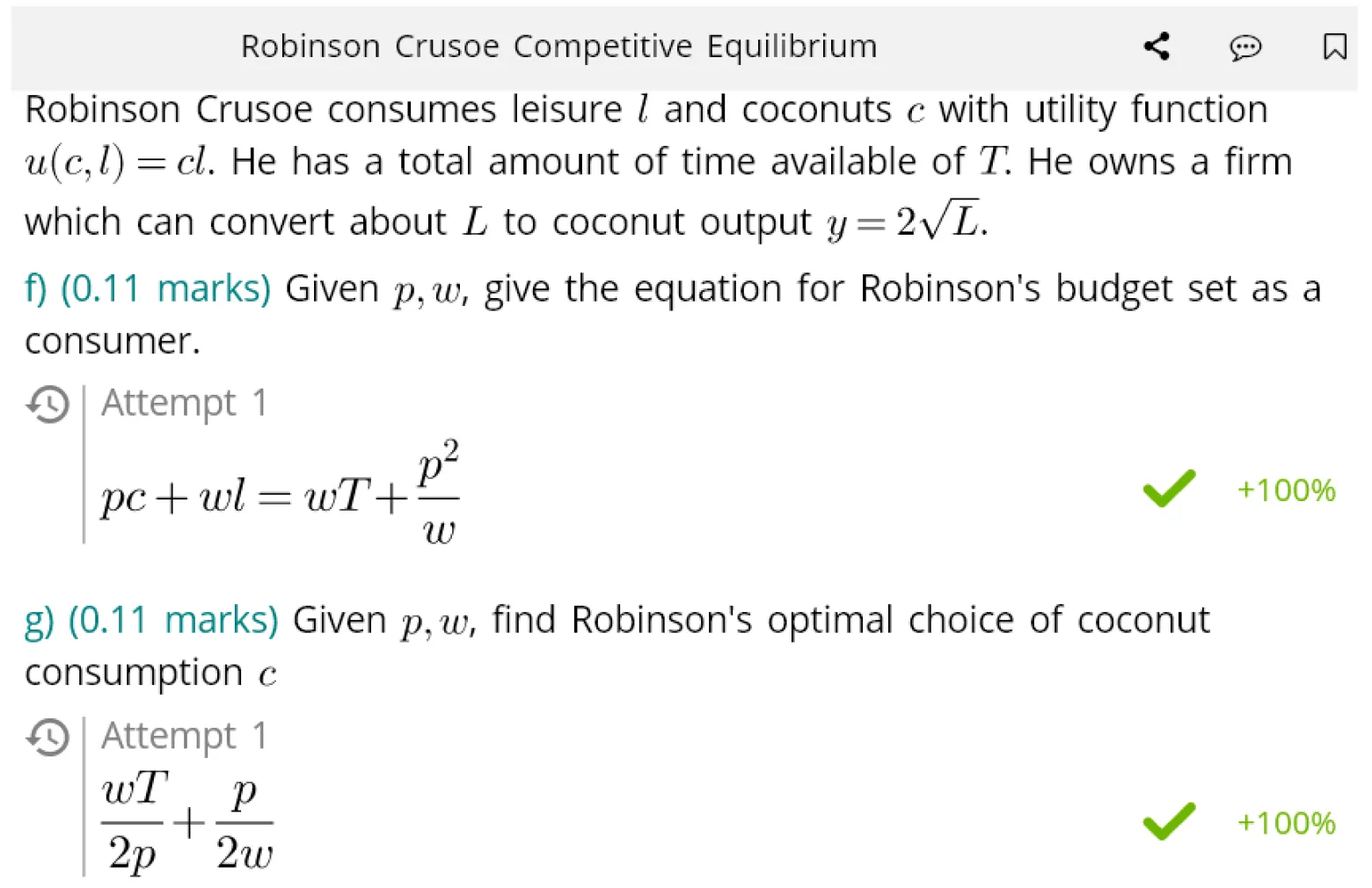
Authentic Online Assessment in Microeconomics
Multiple-choice questions struggle to authentically assess quantitative skills in Microeconomics. We show how Summatic preserves authenticity and technical rigour while offering the benefits of digital assessment.

Improve Student Motivation with Instant Learning Feedback
Assessing the significance of timely feedback in online learning, we highlight the ways in which hints, linked explanations, and fully-worked solutions with Summatic can inspire students with the step-by-step instruction to confidently proceed with a proven learning process.

Summatic & F1® in Schools Thailand: STEM Education through Digital Learning
F1® in Schools Thailand and Summatic are collaborating to ensure that students derive a comprehensive and holistic education that sets them on the fast track to success in STEM.

Master of Finance vs MBA: Business School Prerequisites by Degree
Identifying different knowledge prerequisites by degree type, this guide aims to help students anticipate the quantitative preparation they might need to undertake before beginning coursework.

5 Benefits of Interactive Learning for Economics
Interactive learning for economics supplies a number of pedagogical advantages including enhanced student retention, comprehension, and engagement. We illustrate five key benefits of using interactivity to bring the dismal science to life.

Upgrade Your Course with Digital Grading
Summatic's online mark book and detailed performance analytics assure less time is spent marking so more time can be focused on teaching and research. We identify five ways in which digital grading can upgrade your course.

How to Improve Online Student Engagement
We draw on our experience supporting schools, universities, and business schools to identify six practices for improving online student engagement.
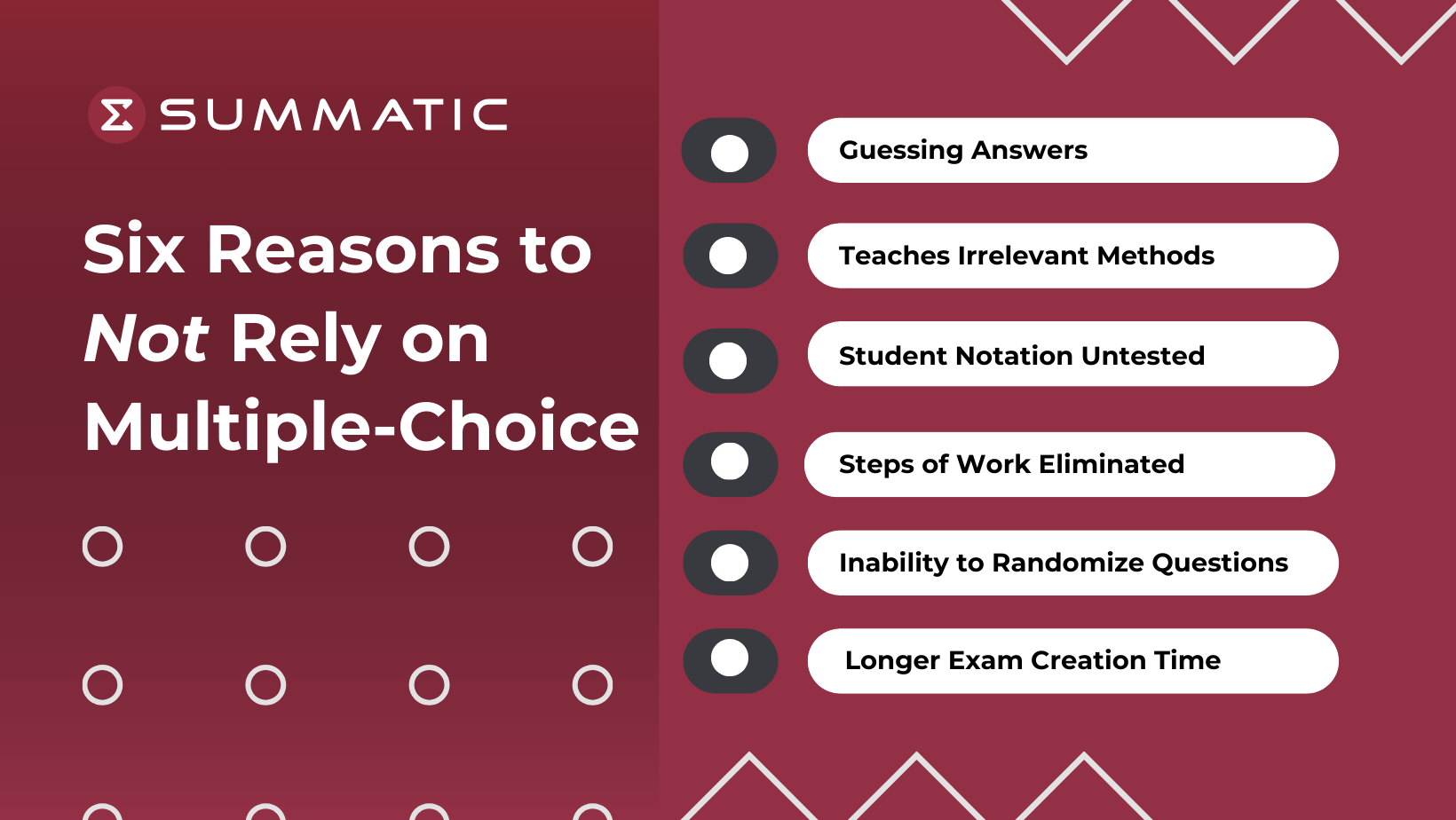
Six Reasons to Not Rely on Multiple-Choice
Many online assessments adapt paper exams into multiple-choice questions, but this format frequently fails to meet educational standards of authenticity in assessment. Instead, advanced question types allow students to engage with online assessments more authentically.
Measuring Authenticity in Assessment
We propose a method for defining and measuring the authenticity of assessment by evaluating the online replication of paper exams. We find that by using advanced question types, 66% to 94% of the original exam can be authentically replicated.
Pre-Course for Recourse in Business School
We at Summatic are happy to promote the use of online pre-course instruction and assessment in business schools to advance applicant diversity and student performance.
The Digital Assessment Age
Many of the world's most notable entry-exams have either gone digital or are planning to go digital in the coming years, signifying the arrival of a new age in digital assessment.

Practice Really Does Make Perfect
How we practice is much more important than how much we do it. Deliberate practice through random question variants offers students unlimited opportunities to test and deepen their understanding.

Supporting Maths Teachers and Students in a Post-Covid World
Now that students have returned to school, teachers have two urgent areas of concern: Assessment and Catch up. We share how Summatic can help.

"I Want to Do a Natural Sciences Degree – Do I Need A Level Maths?"
Ever wondered what studying maths at a top UK university is like? We interviewed Eddie Revell about his experience studying maths at the University of Cambridge and how he revised for his A Levels.

Theories of Learning in EdTech Development
How can we draw on theory and research to design the best possible EdTech tools for students? We consider five overarching paradigms of learning and how they apply to digital environments.

The Step-Up from GCSE to A-Level Maths
The step-up from GCSE to A-Level Maths can seem daunting. We present five reasons not to be put off by the naysayers who claim the step-up is an insurmountable leap.

Visual Learning: The Most Effective Way to Teach Maths?
Can we design new learning materials which are better adapted to the imagination and intuition of maths students? We explore how visual, digital content can help both teachers and students.

Maths Teacher Shortages: Recruitment and Retention Issues
The UK maths teacher market is under strain from increasing student numbers and shortages of teachers. We explore the problem, effects on students and how EdTech can help.

Education Post-COVID: Tutors and EdTech
The government catch-up fund is a welcome step towards levelling a post-Covid playing field. While the National Tutoring Programme will prove useful, better employment of EdTech might just help education thrive.

The Mindset That Can Help You Master Difficult Maths
Developing a growth mindset can help you master difficult maths. We explore how the belief that abilities are developed, not innate, can boost mathematical achievement.

Why Study Maths A-Level (If You Don't Want to Do Science at University)?
Mathematics is the most popular A-level subject. But why is it so popular, and why should you take it? We explore the long-term advantages of studying Maths A-Level.

What Causes the Gender Gap in A-Level Maths?
Despite the widespread acceptance that differences in mathematical ability between men and women are negligible, differing attitudes remain stubbornly persistent. We explore the socio-cultural factors behind the gender gap.
What Causes the Gender Gap in A-Level Maths?
Despite the widespread acceptance that differences in mathematical ability between men and women are negligible, differing attitudes remain stubbornly persistent. We explore the socio-cultural factors behind the gender gap.

The Gender Gap in A-Level Maths
The proportion of female A-Level Maths candidates has fallen over the last decade, from 40.4% in 2009 to 38.5% in 2019. We explore the statistics behind the gender gap in A-level maths.