

Why do students engage with some online learning platforms more than others?
Students at the University of Bristol School of Economics engaged more with Summatic than with “alternative platforms previously trialled”. What about our platform made a difference? We draw on our experience supporting schools, universities, and business schools to identify six practices for improving online student engagement.
1. Assign Compulsory Coursework Online
To encourage students to start engaging consistently, a platform needs to be implemented as a compulsory course component. Educators can try to employ an online platform solely as an auxiliary resource, but the desired results are often not achieved unless students are required to engage.
Effective planning is key. By making online resources an integral part of lecture material through the creation of assigned work or assessments, students are then introduced to the platform's benefits. This introduction is necessary to instil an independent desire to engage beyond assigned coursework.
2. Consider Platform Design and Features
Intuitive use makes for reliable use. A user-friendly platform design is essential for encouraging independent student engagement. Usability and accessibility cater to autonomous use, allowing students to easily navigate and locate materials relevant to those topics they are looking to master.
Frequent formative feedback is another important feature for usability.1 If a student is able to identify where they might be making a mistake, they are more likely to try again after receiving constructive feedback. This can both alleviate doubts and encourage students to progress with confidence.2
3. Consider Interactivity
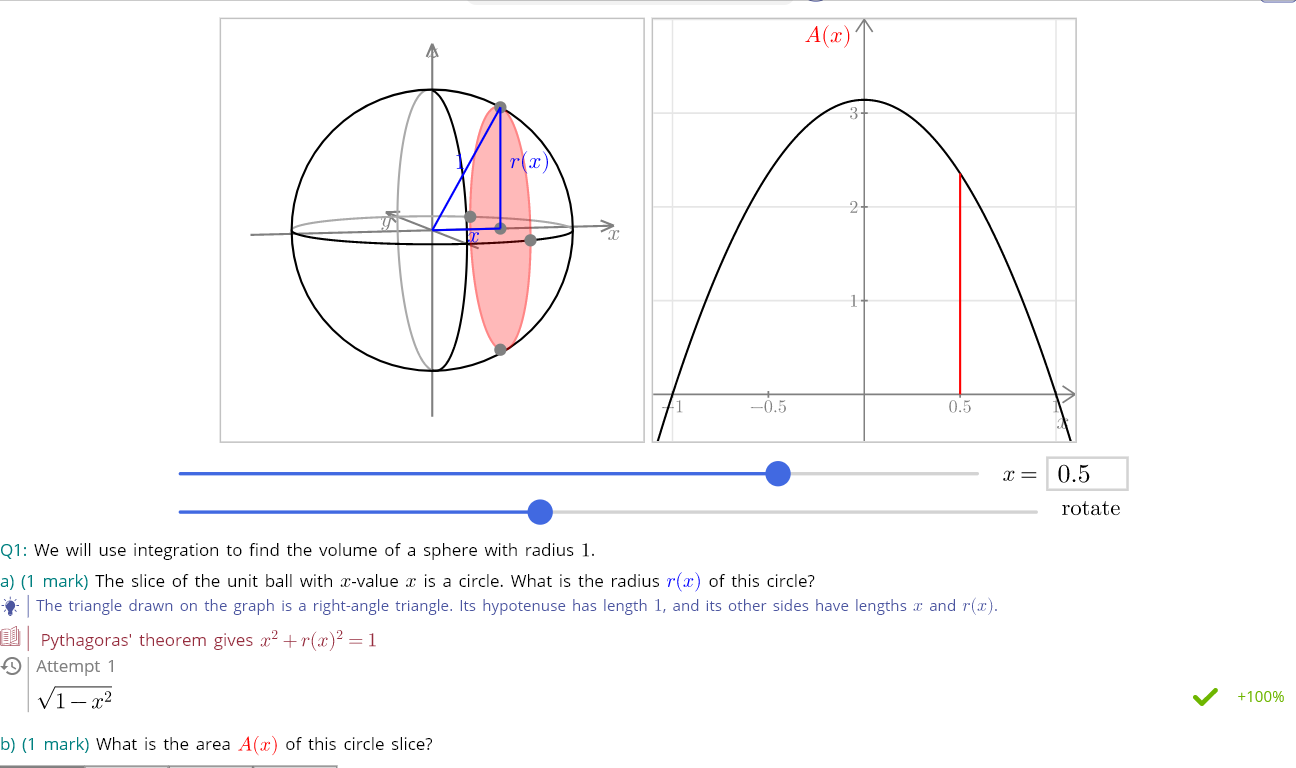
Interactive content can foster both student satisfaction and persistent engagement.3 Research shows that digital visualizations of complex concepts with interactive features can significantly enhance both a student's memory retention and overall academic performance.4
However, it is important to note whether a platform can provide a varied sample of interactive content, as it has been observed that preferences for interactivity can differ across learning styles.5 The more means by which a platform can present interactivity, the more likely it is that students will engage. See examples of our interactive content below:


4. Place Students at the Centre
Online platforms should be student-centred, placing the student's needs and characteristics at the centre of course design.6 They should consider the current level of subject knowledge amongst students at the time of teaching to anticipate what additional resources students might need to effectively engage.7
For example, the Summatic platform links relevant learning resources to questions on online modules and assignments. This feature ensures that if a student gets ‘stuck’ while engaging, they can easily read instructive, textbook aligned material on the platform to regain momentum. This places the student at the centre of the learning process, certifying that they are equipped with the necessary support to progress.
5. More Practice = More Engagement
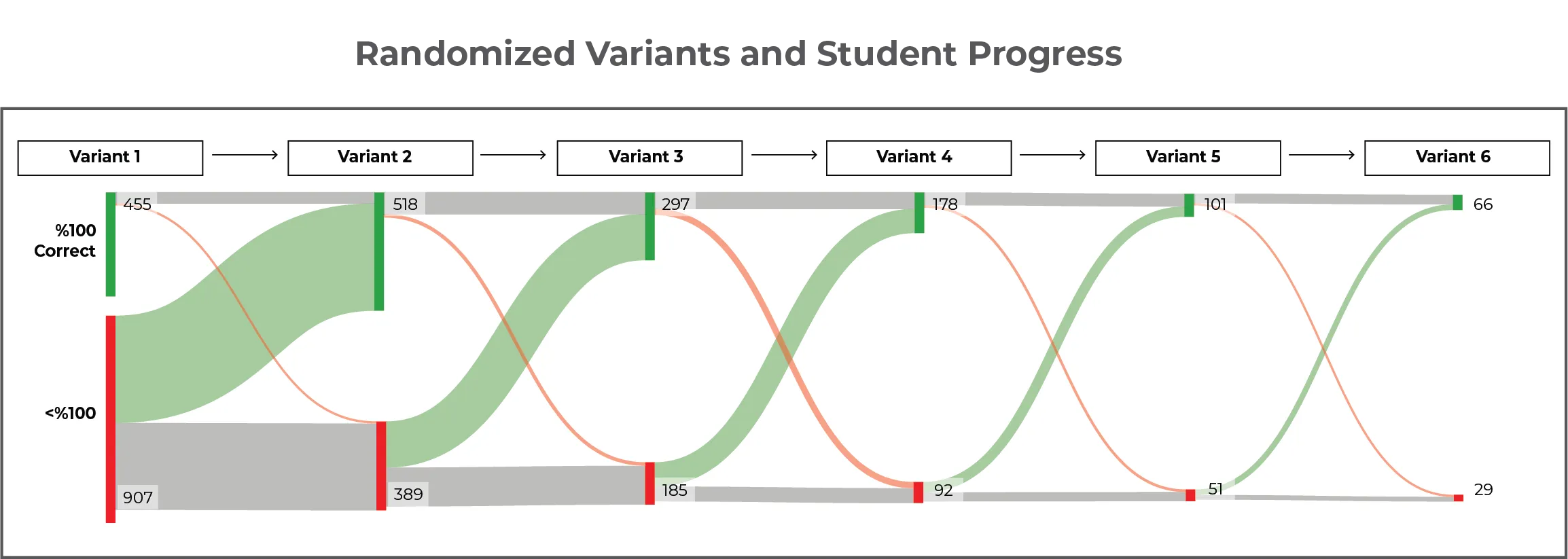
The more opportunities for practice a platform can provide, the more likely students are to engage. With randomized question variants, students can test and re-test a difficult concept until they feel they have comfortably mastered it.
That is, they can submit an attempt, receive feedback, and then refresh the platform to try that same question again but with a new variant. This not only enables students to target specific areas of difficulty, but it also enables educators identify those areas and measure improvement through engagement analytics.
Measuring engagement is crucial.8 We draw this insight from our experience. Supporting the Master's in Finance (MFin) programme at Cambridge Judge Business School, we discovered very high engagement with our platform beyond assigned coursework.
With an average of 391 question attempts per student, the cohort engaged widely with both assessments and learning resources. More importantly, 63% of these questions were attempted outside of assigned coursework. The graph below shows how students progressed throughout attempts on randomized question variants, demonstrating how opportunities for practice not only encouraged consistent use but also enhanced student performance:
6. Ensure Online Learning is Enjoyable
Research shows that “higher levels of student satisfaction with online courses are associated with higher levels of motivation, which in turn, leads to better learning”.9 For this reason, we believe that online learning should be as enjoyable as possible to create student feelings of self-efficacy and improvement through high engagement.10
Incorporating these practices into our platform's design, features, and delivery, Summatic aims to create as enjoyable an online experience for learners as possible. This aim is constantly reaffirmed in the positive feedback we receive from students and educators alike, who report that engaging with Summatic made for a satisfactory and value-enhancing online experience.
-
University College London (2021). Encouraging Student Engagement with Blended and Online Learning. Teaching and Learning, https://www.ucl.ac.uk/teaching-learning/publications/2021/oct/encouraging-student-engagement-blended-and-online-learning.↩
-
Sharma, Nitin. (2023). Top 8 Strategies for Student Engagement in Online Learning. Hurix Digital, https://www.hurix.com/top-strategies-for-student-engagement-in-online-learning/.↩
-
Croxton, Rebecca. (2014). The Role of Interactivity in Student Satisfaction and Persistence in Online Learning. MERLOT Journal of Online Learning and Teaching, Vol. 10, No. 2, https://jolt.merlot.org/vol10no2/croxton_0614.pdf.↩
-
Tarigan, Wenny & Sipahutar, Herbert & Harahap, Fauziyah. (2023). The impact of an interactive digital learning module on students' academic performance and memory retention. Computers and Children. 2. em004. 10.29333/cac/13654.↩
-
Ibid.↩
-
Garrels, Veerle, Zemliansky, Pavel. (2022). Improving Student Engagement in Online Courses through Interactive and User-Centered Course Design: Practical Strategies.↩
-
Blythe, S. (2001). Designing online courses: User-centered practices.↩
-
Dixson, Marcia D. (2015). Measuring Student Engagement in the Online Course: The Online Student Engagement Scale (OSE). In Online Learning, Vol. 19, Issue 4, https://files.eric.ed.gov/fulltext/EJ1079585.pdf.↩
-
Garrels, Veerle, Zemliansky, Pavel. (2022). Improving Student Engagement in Online Courses through Interactive and User-Centered Course Design: Practical Strategies.↩
-
Kahu, Ella R., Picton, Catherine, Nelson, Karen. (2019). Pathways to Engagement: A Longitudinal Study of the First Year Student Experience in the Educational Interface, doi: 10.1007/s10734-019-00429-w.↩